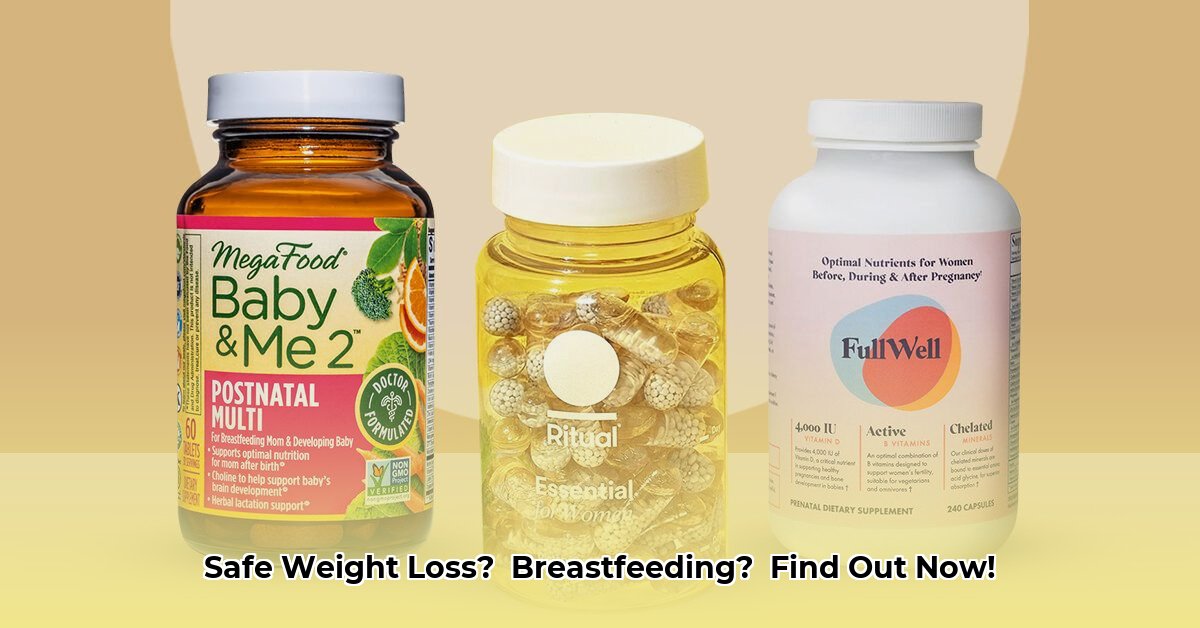
Weight Loss Supplements for Nursing Mothers: A Balanced Approach
Becoming a mother is transformative, filled with immense joy and significant physical changes. A common concern for new mothers is postpartum weight loss, particularly while breastfeeding. While weight loss supplements may seem attractive, it's vital to approach this with caution and prioritize the health of both mother and baby. This guide focuses on making informed, healthy choices for sustainable weight management.
Nourishing You and Baby: The Foundation of Postpartum Wellness
Breastfeeding significantly increases your nutritional needs. Your body requires extra energy to produce nutrient-rich milk. Think of it as fueling a marathon – for months! Prioritizing a balanced diet is paramount. This includes lean proteins (chicken, fish, beans), whole grains (brown rice, quinoa), colorful fruits and vegetables (vitamins!), and healthy fats (avocados, nuts). These foods provide the building blocks for breast milk and replenish your energy stores. Are you ensuring adequate nutrient intake? Consider keeping a food diary.
Understanding Your Postpartum Body: It's More Than Just Weight
Postpartum, your body experiences dramatic hormonal shifts influencing metabolism and fluid retention. You might retain more fluid, affecting the scale, and your metabolism may be slower. This isn't a failure; it's your body recovering. Rushing this process is generally discouraged. Instead of fighting these natural processes, work with them. Patience and self-compassion are key.
The World of Weight Loss Supplements: Separating Fact from Fiction
The market for postpartum weight loss supplements is extensive, with many products promising rapid results. However, many lack robust scientific evidence supporting their safety during breastfeeding. Some claim to boost metabolism, but often, studies focus on individual ingredients. Approach such claims skeptically. The lack of conclusive research on supplement use during breastfeeding is a significant limitation.
Supplement Types & Potential Impacts:
| Supplement Type | Potential Benefits | Potential Risks | Recommendations |
|---|---|---|---|
| Vitamins (B, C, D, etc.) | Support milk production, energy, immunity. | Digestive upset if excessive. | Consult your doctor for safe dosages. Start slowly. |
| Herbal Supplements | Limited evidence; some may support liver function. | Potential medication interactions; lack of long-term research. | Avoid unless recommended and monitored by your healthcare provider. |
| Stimulants (Caffeine, etc.) | Temporary energy boost. | Negative effects on baby's sleep and potential developmental concerns. | Minimize caffeine intake during breastfeeding. |
Choosing Supplements Safely: A Step-by-Step Guide to Informed Decisions
Prioritize safety and informed decision-making. A healthy lifestyle remains paramount.
Steps:
- Consult Your Doctor: Discuss any supplement with your doctor or registered dietitian. They can evaluate your needs and risks.
- Prioritize Balanced Nutrition: Supplements complement, not replace, a healthy diet.
- Read Labels Meticulously: Look for reputable brands with clear sourcing and quality control; be wary of vague claims.
- Start Low, Go Slow: Begin with the lowest recommended dose and monitor your body’s response.
- Listen to Your Body: Stop using the supplement and consult your doctor if you have any adverse reaction.
A Holistic Approach: It's a Marathon, Not a Sprint
Sustainable weight loss requires a holistic approach. Focus on creating habits you can maintain long-term. This includes:
- Balanced Diet: Nourishing yourself with whole, unprocessed foods.
- Gentle Exercise: Choose activities you enjoy (consult your doctor postpartum).
- Prioritize Sleep: Adequate rest is crucial for physical and mental well-being.
- Stress Management: Practice stress-reducing techniques (meditation, deep breathing).
- Supportive Community: Connect with other mothers for shared experiences and support.
Remember, your body accomplished something incredible. Be patient and kind to yourself. Make gradual, healthy changes. Consult healthcare professionals; they can tailor a plan to your needs.
Best Postpartum Weight Loss Supplements for Breastfeeding Moms
Key Takeaways:
- Postpartum weight loss is individual.
- Balanced diet is crucial for both mom and baby.
- Micronutrient deficiencies impact energy and mood, hindering weight loss.
- Supplements should prioritize safety and efficacy.
- Always consult your doctor.
- Sustainable weight loss is a journey, not a quick fix.
Understanding Your Nutritional Needs
Postpartum, your energy needs are higher due to breastfeeding. Expectant rapid weight loss is unrealistic. Balanced nutrition, including fruits, vegetables, lean protein, and whole grains, is essential.
Micronutrients and Weight Management
Micronutrients are vital. They influence your metabolism and energy levels. B vitamins, vitamin C, zinc, and magnesium are important. Adequate intake can boost energy, mood, and support healthy metabolism. A blood test can identify potential deficiencies. Your doctor can guide you on how to address these.
The Role of Supplements
Research on supplements for breastfeeding mothers is limited. Some may support micronutrient intake or influence hormones related to weight regulation, but proceed with caution.
Choosing Supplements Wisely: A Step-by-Step Guide
- Consult Your Doctor: They assess individual needs.
- Prioritize a Balanced Diet: Supplements are an addition.
- Read Labels Carefully: Understand ingredients, dosages, and potential interactions.
- Choose Reputable Brands: Look for third-party testing and transparent labeling.
- Start Slow and Monitor: Begin with low doses and monitor for adverse effects.
Supplements to Consider (Always With Doctor's Approval)
- Methylated Folate: Better absorbed than other forms, especially if you have the MTHFR gene variant.
- B Vitamins: Support energy production and metabolic function.
- Vitamin D: Many are deficient; it affects mood and energy.
- Probiotics: May improve gut health and metabolic functions.
Important: Effectiveness varies; more research is needed.
Realistic Expectations and Long-Term Wellness
Sustainable weight loss is gradual. Focus on lifestyle changes that support your long-term health and well-being. A healthy mother contributes to a better postpartum experience.